How to land, ride, eat and walk like someone who lives here
Field checks across Seoul’s transit gates, gukbap counters, hanok alleys and trailheads, condensed into one page that tells you which of our 49 published guides answers the question you are actually asking — and in what order to read them.
If you read one page before Incheon, read this one. Seoul does not fail visitors on the sights — it fails them at the ticket gate, the restaurant door and the trailhead, because the rules there are written in Korean and nobody translates the unwritten ones. Learn four things: your card (Climate Card for three or more rides a day), the 15-minute re-entry rule at any subway station, the phrase han myeong-i-yo for a table for one, and the fact that Google Maps still cannot walk you anywhere. Everything else on this page builds on those four.
Seoul rewards preparation in an unusual way. Nothing about the city is difficult once you are inside it — the subway is signposted in English, restaurants are cheap, the trails start at bus stops — but the first forty-eight hours decide whether you spend them moving or stuck. Three of the four most common complaints we hear from short-stay visitors come from the same root: they bought the wrong card, they trusted a map that cannot route on foot, or they walked into a restaurant whose minimum order is two servings and left embarrassed. All three are avoidable in about ten minutes of reading.
This guide is written for two kinds of traveller: the first-timer on a three-to-seven day trip, and the resident who is technically here but still eating convenience-store food because nobody explained the counter-seat culture. It is organised the way a trip actually happens — you land, you ride, you eat, you walk — and each section ends with the deeper guides on the same subject, in the order worth reading them.
Transit & airport navigation hub
Arrival day, fares, cards, and the two rules the gates do not explain
The airport decision is simpler than the internet makes it. Incheon to central Seoul has exactly four sane options, and the right one depends on where you sleep rather than on price. The AREX Express is ₩13,000 and 43 minutes to Seoul Station on a non-stop train; the all-stop train is ₩4,750 and slightly slower but reaches Hongdae directly, which makes it the cheapest correct answer for anyone staying in the Hongdae or Sinchon area. Airport limousine buses (₩17,000 for the 6001 to Myeongdong, ₩17,000–18,000 for the Gangnam and Jamsil routes) cost more but put your suitcase at a hotel door without a single transfer. Two or more people with real luggage should take the bus and stop doing arithmetic.
Then come the two things nobody tells you. First: Google Maps cannot walk or drive you in Korea. Transit routing works, pins work, but step-outside-the-station directions do not exist yet, because a detailed base map cannot leave the country without approval; the government approved the export with conditions on 27 February 2026 and a review committee confirmed compliance on 13 November 2026, with Korean press reporting walking directions “as early as early next year”. Until then, Naver Map for walking and exits, KakaoMap for buses, Subway Korea for platforms. Second: the fare system charges by distance but is built around transfers — a single tap-in and tap-out covers the whole subway journey no matter how many lines you change inside the paid area.
A ride inside Seoul costs ₩1,550 by card under 10 km, which covers almost every visitor trip; a single-journey ticket is ₩1,650 plus a refundable ₩500 deposit. The card choice is where visitors either save ₩20,000 or waste it. A Climate Card 3-day pass is ₩10,000 plus a ₩3,000 card and beats pay-as-you-go from about three rides a day; WOWPASS makes sense if you also want a card that pays in shops and converts cash; T-money stays the safe default for arrival day and light use. The table below is the compressed version, and the full card comparison lives in its own guide.
| If you are… | Take | Cost | Time to central Seoul |
|---|---|---|---|
| Staying near Seoul Station or Myeongdong, light bags | AREX Express (non-stop) | ₩13,000 | 43 min to Seoul Station |
| Staying in Hongdae or Sinchon | AREX all-stop train | ₩4,750 | Direct, no transfer |
| Staying in Gangnam, Jamsil or a hotel door | Limousine bus 6009 / 6020 / 6703 / 6001 | ₩17,000–18,000 | 60–90 min, door to door |
| Landing after 23:30 | Night bus, or metered taxi with late-night surcharge | ₩17,000–18,000 bus | Depends on your district |
| Riding 3+ times a day inside Seoul | Climate Card 3-day pass | ₩10,000 + ₩3,000 card | Unlimited subway rides |
| Flying out between 09:00 and 22:00 | Seoul Station city airport terminal + AREX Express | Train fare + airline fee | Bag drop 05:20–19:00, B2 |
Arrival day
Incheon Airport to Seoul: AREX vs. airport bus
The full four-option comparison, with a decision table by neighbourhood and a step-by-step walk-through of the train platforms and the bus stops at both terminals.
Read the arrival guideLanding late
Late-night Incheon to Seoul: buses and taxis
Clear customs before 23:38 and the all-stop train still runs. After that: night buses, metered taxis with a 40% surcharge, or a bed at the airport — and why you must not board the 23:56 train.
Read the late-arrival guideMoney
Climate Card vs. WOWPASS vs. T-money
Each card priced against a real three-day trip, including the Climate Card catch (it does not cover the airport railway) and the exact break-even point at three rides a day.
Read the card comparisonInside the gates
Seoul subway: the 15-minute re-entry rule
Tag out and back in at the same station within 15 minutes and no second base fare is charged. The rule, the walled-platform stations, the transfer clock and the cash trap at the recharge machine.
Read the subway guideLeaving well
Seoul Station city airport terminal
Check in and drop bags at Seoul Station B2 between 05:20 and 19:00, sightsee bag-free, then ride 43 minutes to Terminal 1. Worth it only for the eight-carrier list — check yours first.
Read the departure guideSolo dining & local food hub
Why the two-serving rule exists, and where it never applies
Seoul is one of the easiest cities in the world to eat alone in, and one of the most awkward if you choose the wrong room. The distinction is format, not restaurant. Noodle shops, soup houses, kimbap counters, department-store food halls and the newer one-person grill bars are built for a single customer and price accordingly — a solid lunch lands between ₩8,000 and ₩15,000. A traditional grill house is built for pairs and groups, and its portion minimum (usually two servings, roughly ₩34,000–43,000 for samgyeopsal) is not a scam but a table-size calculation: the grill, the side dishes and the labour are priced for two.
The phrase that solves ninety percent of it is han myeong-i-yo (한 명이에요 — “one person”), said at the door before you sit. Staff will either seat you at a counter or tell you honestly that the table needs two, and either answer is better than being turned away after ordering. Go before 18:00 and the question rarely comes up at all.
For the local food that visitors rate highest afterwards, gukbap is the one to learn. It arrives almost unseasoned on purpose, and the seasoning order is the whole experience: taste first, then salted shrimp or salt, then a spoon of chili dadagi, then pepper and a little kkakdugi brine, one step at a time. Done that way an ₩11,000 bowl of sundae-guk or a ₩15,000 seolleongtang becomes the best solo lunch in the city rather than a bland one you photograph and forget.
And the cheapest hot meal in Seoul is a convenience-store ritual worth knowing before you need it: find a store with a noodle cooker, buy the paper bowl that matches your packet, scan it, press start. Four minutes and about ₩1,500 later you have a proper hot meal. Read the shelf tag, not the video that sold you the flavour.
The backbone
Solo dining in Seoul: 7 etiquette rules & the top areas
The unwritten rules: where to sit, how to order at a kiosk, which five neighbourhoods are easiest for one person, twelve phrases, and a full solo eating day with real costs.
Read the solo dining guideGrill houses
Korean BBQ for solo travelers
Yes, you can eat samgyeopsal alone — choose the format, not just the restaurant. One-person grill bars and lunch sets have no minimum; a normal grill house is fine if you open with two servings.
Read the BBQ guideLocal food
Seoul gukbap: seasoning, etiquette & best spots
The four-step seasoning formula, the difference between sundae-guk and seolleongtang, and the counters where a single bowl is the normal order.
Read the gukbap guideUnder ₩5,000
Convenience store food & the ramyeon machine
How the cooker works, which paper bowl matches which packet, the CU and GS25 combinations locals actually buy, and why the shelf tag beats the influencer video.
Read the convenience store guideNeighborhood walks & local culture hub
Two hours, a free trail, and the fine that nobody mentions
Seoul’s best walking is free and needs no booking, which is exactly why visitors overpay for it. The city wall trail is the clearest example: you can walk the granite ridge at Inwangsan for the sunset over Gyeongbokgung, or the lit wall at Naksan after dark for the descent into Hyehwa, and both take about two hours at no cost. The full 18.6 km circuit is a different animal — it wants ten hours and good knees, and most people who set out for it finish a third and take a taxi home.
The hanok villages split the same way. Seochon wins for a relaxed walk with evening light and food; Bukchon wins for one concentrated photo walk, but only between 10:00 and 17:00, because tourist entry to the Bukchon red zone outside those hours carries a ₩100,000 fine. That single sentence has saved more than one visitor’s evening.
For something structured, a temple stay is the best-value cultural programme in the country and needs no Korean phone number, ID or residence card: book directly on eng.templestay.com. In 2026 a day programme runs ₩5,000–50,000 and an overnight ₩80,000–120,000 with meals and a uniform included; Bongeunsa’s ₩30,000 Thursday class is the easiest first step in the city. Bring socks, finish every grain of rice, and treat the 04:00 wake-up as part of the price.
If you want a mountain instead of a hill, Bukhansan is reachable by subway and rentable on foot: boots and a jacket come from the Seoul Hiking Tourism Center beside Bukhansan Ui Station, Trail C goes to the Baegundae summit with steel cables, and the 3.1 km Dulegil pine path is the alternative when the ridge is icy. Start by 09:30 and be down by 16:30 — that is when the gear goes back.
Free, two hours
Seoul city wall trail: Inwangsan vs. Naksan
Which ridge for which hour, where the steep sections are, how to reach each trailhead by subway, and the honest version of the 18.6 km full circuit.
Read the city wall guideHanok alleys
Seochon vs. Bukchon hanok village
The ₩100,000 red-zone fine explained, the 10:00–17:00 window, and a route through Seochon that ends where the good food is.
Read the hanok guideCultural stay
Seoul temple stay: booking, etiquette & best spots
How to book without a Korean phone or ARC number, what a day programme and an overnight actually cost, the dress code, and the etiquette that keeps the meal silent.
Read the temple stay guideMountain
Bukhansan beginner guide & gear rental
Rent boots and a jacket beside the station, choose Trail C to Baegundae or the Dulegil pine path, and understand the 16:30 gear-return deadline before you start.
Read the Bukhansan guideRecovery
Jjimjilbang & seshin scrub for first-timers
Which floors are nude and which are clothed, the ₩14,000–16,000 admission, the ₩25,000–35,000 scrub, and how one key band pays for everything.
Read the jjimjilbang guideSeoul Wellness Network
One city, three publications, no overlapping answers
Where the rest of your Seoul questions live
Each publication owns its subject so you never get two versions of the same advice. Transit, food and neighbourhoods stay here; skincare, scalp care and clinics live on the K-beauty site; marathons, routes, gear and recovery live on the running site.
Two specific handoffs worth knowing about. The head spa you were about to book from a travel blog is covered properly on the K-beauty hub, including what each price tier does and does not include. The night running route through the city you just walked belongs to the running hub, which has the lit-stream paths, the lockers and the sub-zero layering rules. And if you only want a short list of buttons rather than a guide, the quick links page holds the six most-used ones.
Final summary
- Arrival: AREX Express ₩13,000 / 43 min to Seoul Station; all-stop ₩4,750 direct to Hongdae; limousine bus ₩17,000–18,000 to a hotel door. Landing after 23:30 changes everything — read the late-night guide before you fly.
- Cards: Climate Card 3-day ₩10,000 + ₩3,000 card for three or more rides a day; WOWPASS if you want a payment card too; T-money for light use. Base fare ₩1,550 by card. Top up with cash.
- Gates: 15 minutes to exit and re-enter the same station for free; the call button on the emergency gate for walled platforms; 30-minute transfer window, 60 minutes between 21:00 and 07:00.
- Maps: Naver Map walks, KakaoMap tracks buses, Subway Korea knows the last train. Google Maps cannot route you on foot until 2027.
- Eating alone: say han myeong-i-yo at the door, eat lunch at a counter, and take a two-serving grill house only if you are ready to spend ₩34,000–43,000. Gukbap is seasoned in four steps, in order.
- Walking: city wall free in two hours, Bukchon only 10:00–17:00 (₩100,000 fine outside), temple stay bookable from abroad, Bukhansan gear rented at the station and returned by 16:30.
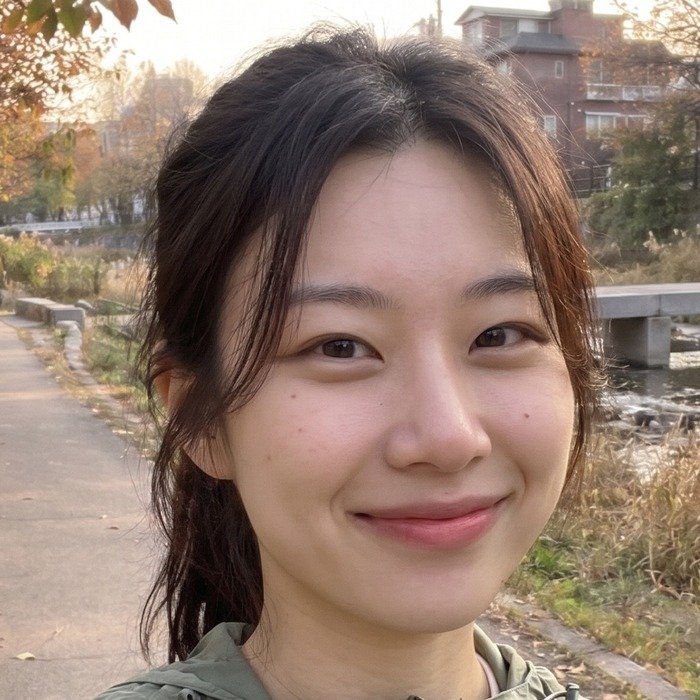
Written by Soye, a Seoul-based runner and local guide. I have re-entered the same gate twice in one evening, been told at a grill house door that one person is not a table, and once walked into Bukchon at 18:30 without knowing about the fine. This page exists so you skip those three evenings and spend them on the ridge instead.
Last checked: 19 November 2026, against Seoul Metro’s passenger transport terms (Article 25, revised March 2026), Visit Seoul’s Getting Around Seoul fare table, Incheon Airport and Airport Railroad published timetables and fares, Seoul city notices on the Climate Card, the Bukchon red-zone hours and the land ministry’s November 2026 map-export review. Fares, opening hours and rules change — confirm before you travel.